
Esthetic Crown Lengthening: Partnering for Predictable Smile Design
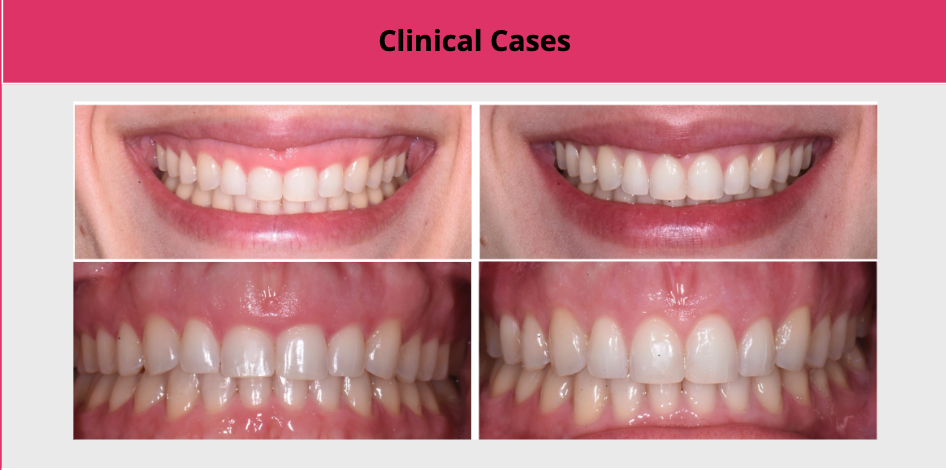
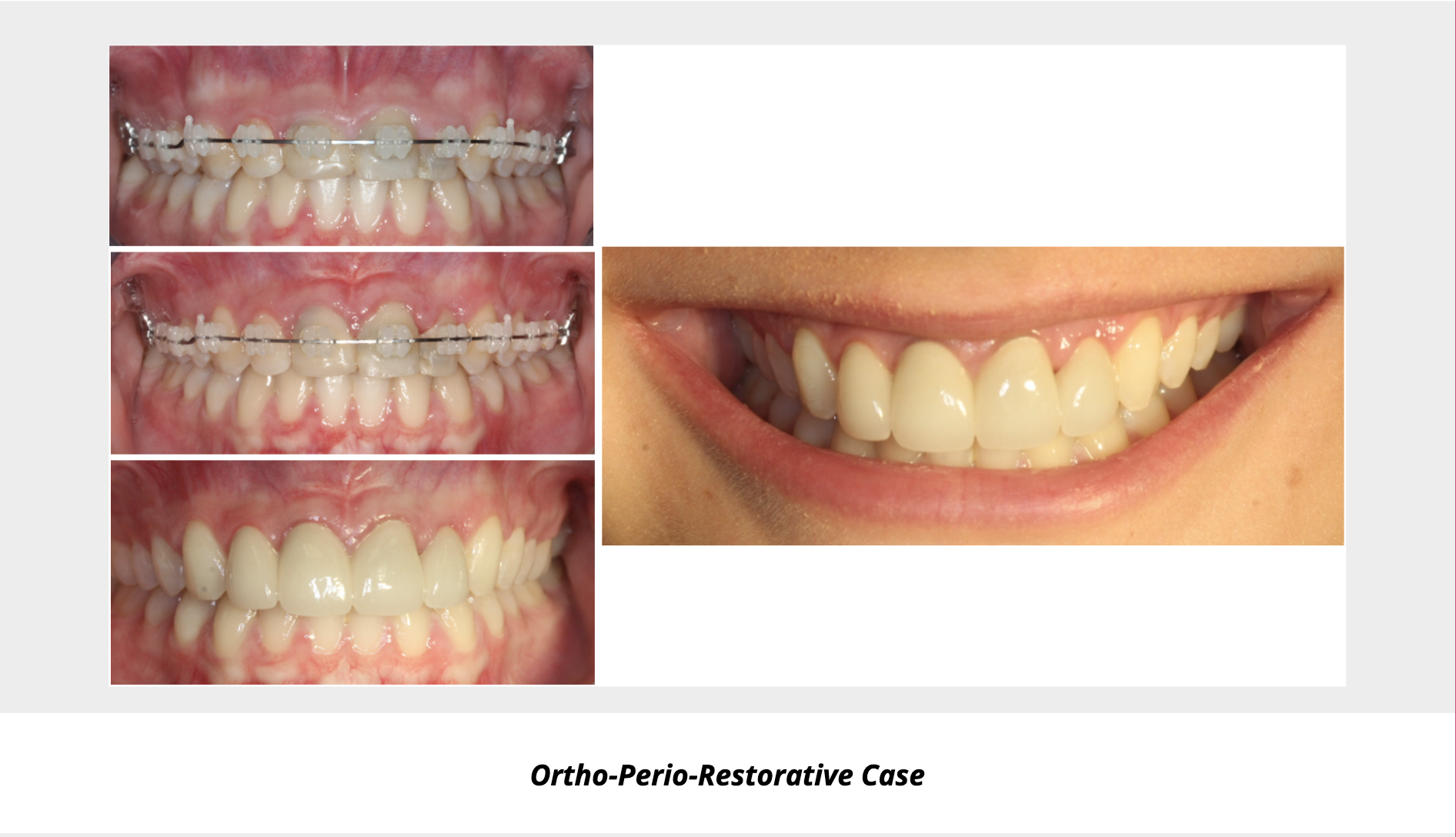
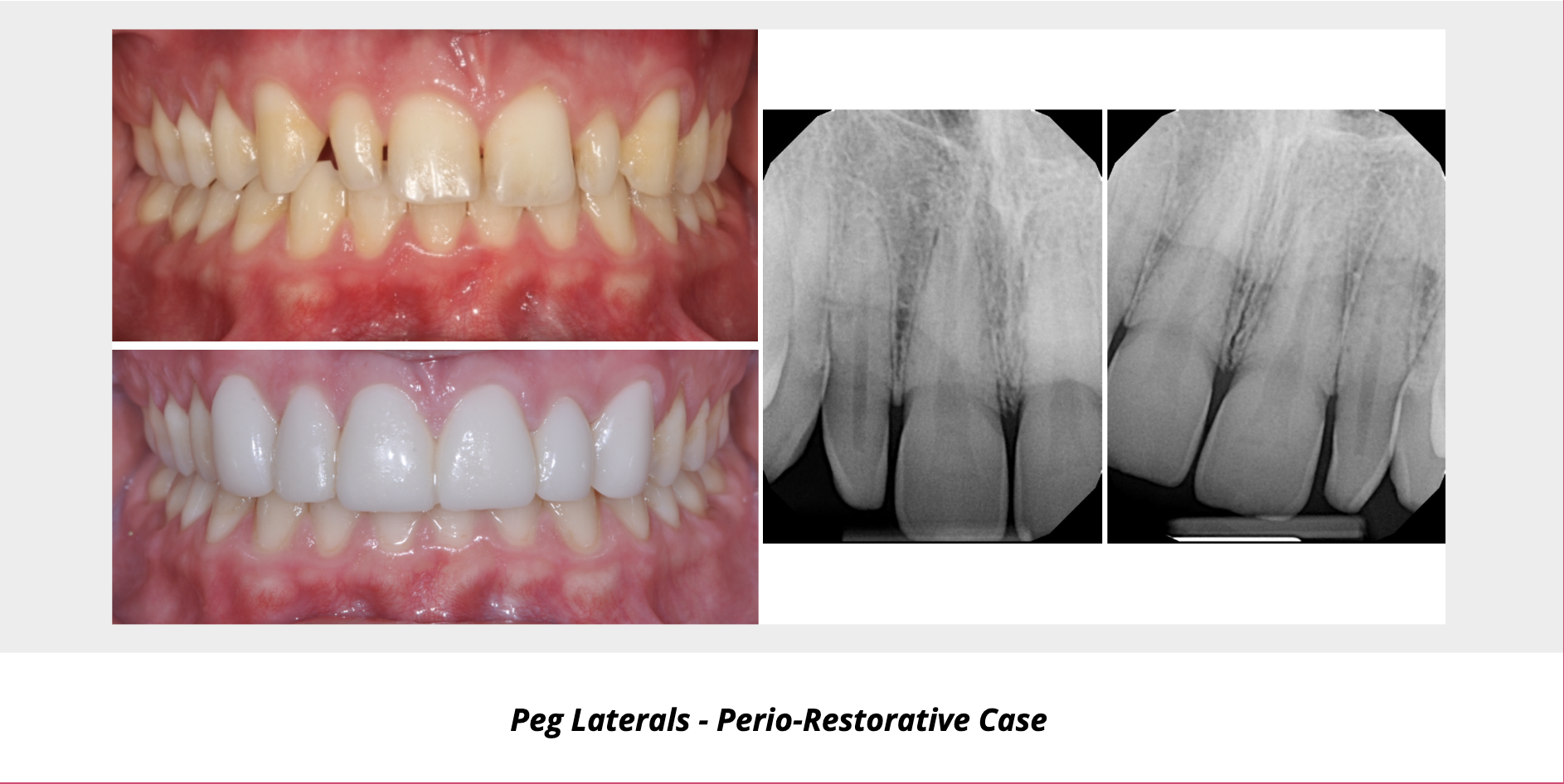
As restorative treatment planning becomes increasingly driven by patient esthetics, esthetic crown lengthening remains one of our most valuable collaborative procedures. Whether addressing a “gummy smile,” asymmetrical gingival margins, or inadequate clinical crown height for veneer or crown retention, this procedure allows us to reestablish proper tooth proportions and create a harmonious gingival architecture before you begin definitive restorations. Ideal candidates typically present with excessive gingival display during smiling, short clinical crowns with normal sulcus depths, or altered passive eruption where the gingival margin has not migrated to its proper position relative to the cementoenamel junction.
Beyond pre-restorative applications, we frequently perform esthetic crown lengthening as a standalone procedure for gummy smile correction, particularly in teenagers and young adults who present with altered passive eruption but have otherwise healthy, unrestored dentition. These younger patients often experience significant self-consciousness about their smile esthetics, and crown lengthening offers a conservative, definitive solution without the need for veneers or crowns. In many of these cases, the underlying tooth structure is beautifully shaped and simply needs to be revealed. This makes it an excellent option to discuss with your adolescent and young adult patients who express dissatisfaction with excessive gingival display. Early intervention can have a meaningful impact on their confidence during formative years, and the procedure is well-tolerated with predictable long-term results.
For restorative applications, we often receive questions from referring doctors about treatment timing and case selection, so let us address a few common ones. First, regarding healing before final impressions for cases involving restorations, we generally recommend waiting a minimum of 6 to 8 weeks, though 12 weeks is preferable for anterior esthetics to allow complete soft tissue maturation and ensure margin stability. Second, when planning your restorations, remember that we must respect biologic width (approximately 2 to 3 mm from the bone crest to your intended margin), so please communicate your desired final margin placement so we can adjust osseous levels accordingly. Finally, for patients presenting with thick, fibrotic tissue biotypes, anticipate slightly more rebound than in thin scalloped cases.